Scent Breakdown: What Does Davana Smell Like in Perfume?
Understanding “what does davana smell like in perfume?” offers valuable insight into how complex ingredients shape modern scent compositions.
The Origin of Davana in Perfumery
Exploring “what does davana smell like in perfume” reveals an equally compelling depth of fruity warmth, herbal nuance, and wine-like richness. Davana has been rooted in perfumery since 1985, shaping its identity as one of the most nuanced ingredients in modern scent compositions.
Botanical & Cultural Context
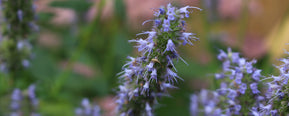
Davana, botanically known as Artemisia pallens, grows primarily in the warm, sunlit regions of southern India, especially in areas such as Andhra Pradesh.
For generations, this aromatic plant has been an essential component of Indian cultural practices. It appears in ceremonial garlands, temple offerings, and traditional Ayurvedic preparations believed to support emotional balance and overall well-being.
In regional rituals and festivals, the vividly fragrant leaves and blossoms symbolize prosperity and protection, reflecting their deep cultural significance.
Its long history in religious customs and medicinal use continues to inform the way perfumers interpret its multi-layered character today.
Extracting the Davana Scent
Davana essential oil is typically obtained through steam distillation of its leaves and flowering tops.
Among its notable constituents are davanone, which can constitute 30 to 65 percent of the oil, along with davana ether, linalool, and several characteristic furans. Together, these components form a warm, fruity, balsamic essence with extraordinary longevity.
In perfumery, davana often functions as a semi-fixative, providing both depth and tenacity in a composition. High-quality batches display a rich davanone profile.
Davana is valued in perfume for adding warmth and lasting power, but only when the oil is pure and not altered with substitutes.
Davana in Perfumery
Davana’s reputation in niche perfumery rests on its ability to shift, adapt, and reveal new facets depending on the wearer’s skin chemistry. It is this mutable nature that has earned it the label of a “chameleon note.”
On skin, the evolution often begins with a radiant fruity lift, followed by a deeper balsamic and herbal mid-phase, and finally a refined woody dry-down that lingers for hours. This variability makes every encounter with davana uniquely personal, with each individual detecting slightly different facets.
Its natural warmth, depth, and semi-fixative quality contribute meaningfully to projection and longevity, enhancing the expressive power of the fragrances in which it appears.
What Are the Best Scent Pairings with Davana?
Understanding how davana pairs with florals, woods, and gourmand notes reveals how seamlessly it builds layered, unisex creations.
Floral
Floral notes such as rose, jasmine, and orange blossom pair beautifully with davana.
When combined, davana’s wine-like, fruity sweetness intensifies the natural richness of these blooms, creating a lush, jammy radiance.
This interplay produces a fragrant profile that feels both opulent and contemporary, highlighting the expressive spectrum floral accords can achieve within niche scent compositions.
Sweet & Gourmand
In gourmand styles, davana bridges sweet accords with aromatic depth.
Vanilla, caramel, and honey become more dimensional when layered alongside a herbaceous warmth. This tension between indulgent sweetness and earthy nuance prevents gourmand blends from becoming overly sugary, allowing them to unfold with sophistication and balance.
Amber & Oriental
Amber and oriental ingredients like patchouli pair exceptionally well with davana’s balsamic richness.
Here, davana amplifies warmth, increases depth, and enhances the resinous glow characteristic of these fragrance families.
The result is an evocative, full-bodied accord that feels timeless and intricately layered.
Woody & Earthy
Vetiver, cedarwood, and moss complement davana beautifully, creating a contrast between woody dryness and fruity luminance.
This combination elevates earthy bases by infusing them with brightness, allowing davana to act as a natural enhancer in compositions where wood notes form the structural backbone.
Green & Herbal
Soft herbal notes and other Artemisia annua species resonate naturally with davana’s fresh, green qualities.
These pairings soften its fruit-forward elements and ground the composition, reminding the wearer of davana’s origins in sunlit fields and aromatic foliage.
Common Misconceptions: Similar Scents, Very Different Stories
Davana, with its layered personality, is frequently misunderstood despite its prominence in niche perfumery.
Misconception 1: Davana smells just like apricot jam.
While davana does open with a fruity impression reminiscent of dried apricot, it is far more complex than a simple jam-like sweetness.
This layered scent comes from the naturally sweet molecules in the plant, which create shifting impressions of fruity, warmth, and a gentle herbal edge. These chemical constituents create layers that extend far beyond a singular fruity note.
Misconception 2: Davana is synthetic or fake.
True davana essential oil is entirely natural and derived through steam distillation of Artemisia pallens.
Although adulteration can occur, meaning the oil is diluted or mixed with cheaper materials, careful evaluation ensures the davana is genuine to its natural scent.
Genuine davana remains one of perfumery’s most expressive botanical ingredients.
Misconception 3: Davana smells the same on everyone.
Davana is famous for its variability. Skin chemistry significantly influences how its fruity, balsamic, or herbal elements reveal themselves.
Its unpredictable nature is precisely what makes it a favorite among independent perfumers seeking character-rich ingredients with emotional resonance.
Misconception 4: Davana only fits in sweet or fruity perfumes.
Despite its fruity opening, davana appears in various olfactive families, including amber, chypre, and woody structures.
It enhances earthy or resinous bases just as easily as it enriches gourmand profiles, functioning as a character note and also a semi-fixative depending on the formula’s architecture.
Key Takeaways
Davana is a rare, expressive ingredient known for its sweet, fruity qualities reminiscent of dried apricots or plums, its wine-like warmth, balsamic density, and subtle herbaceous undertone.
We invite fragrance lovers to explore the Sample Discovery Set from Buchart Colbert. For those who already enjoy davana-forward perfumes, layering them with selections from our collection may reveal new harmonies that resonate with personal style.
FAQs
The following questions address additional details around “what does davana smell like in perfume”.
1. Is davana considered a unisex fragrance ingredient?
Yes, davana is widely used in unisex scent compositions because its fruity warmth and herbaceous depth adapt easily to different olfactive families. Its evolving character makes it suitable for both bright and darker, resinous blends.
2. How strong is davana compared to other natural ingredients?
Davana has a pronounced presence, especially in its opening phase, where its fruity-wine-like character shines. As it dries down, it becomes more subtle yet continues to support the composition with steady warmth.
4. Why does Davana change so much on different skin types?
Its key constituents interact with natural skin oils, temperature, and pH, causing its facets to shift. This responsiveness is what gives davana its well-known “chameleon” identity.